Legal insight
Implied Consent Laws: DUI Test Refusal, License Suspension, and Your Legal Rights
Implied consent law is the rule that connects the privilege of driving with a driver's obligation to complete an authorized chemical test after a qualifying impaired-driving arrest. It does not mean that every request made during a traffic stop is…
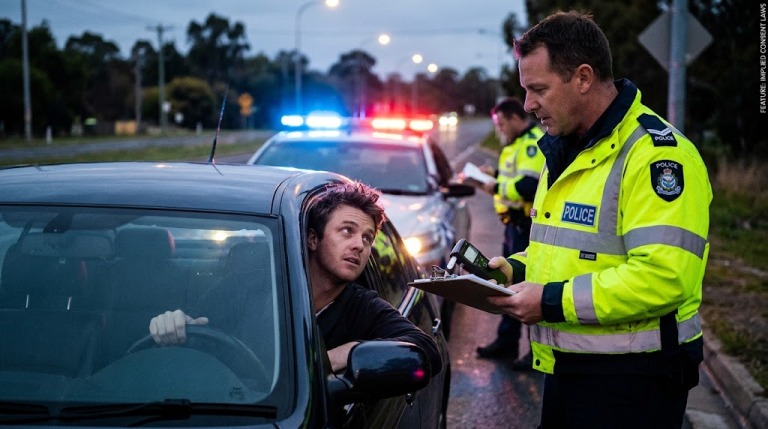
Implied consent law is the rule that connects the privilege of driving with a driver’s obligation to complete an authorized chemical test after a qualifying impaired-driving arrest. It does not mean that every request made during a traffic stop is identical, and it does not make refusal consequence-free. The type of test, timing of the request, officer’s instructions, warrant status, and state law can change what happens next.
This guide explains the questions to organize after a breath, blood, or urine test request. It provides general information, not advice about whether anyone should submit to or refuse a test.
Roadside tests and post-arrest chemical tests are different
People often use the phrase “DUI test” for several different procedures. A roadside breath screening device, field sobriety exercises, and an evidentiary breath or blood test may operate under different rules. Implied consent commonly concerns an official chemical test requested after an officer has established the legal basis required by state law.
Write down which test was requested, where the request occurred, whether an arrest had been announced, and exactly what warning the officer gave. Do not rely on memory alone if a written suspension or revocation notice was issued.
What refusal may trigger
Every state has an implied consent framework, but consequences vary. A refusal may lead to an administrative driver’s-license suspension or revocation that is separate from the criminal DUI case. Some jurisdictions permit refusal evidence to be introduced in court, impose longer licensing consequences for a prior refusal, or provide additional penalties in defined circumstances. Officers may also seek a warrant for a blood sample when the law permits.
The National Highway Traffic Safety Administration explains that implied consent laws generally attach license sanctions to refusal and that state rules differ. That is why a national article cannot provide a reliable suspension period for a particular driver. The controlling sources are the notice, the motor-vehicle agency, and current law in the state where the stop occurred.Two tracks may begin at once.
The motor-vehicle agency can address driving privileges while a criminal court addresses the DUI allegation. Winning, losing, or dismissing one track does not necessarily resolve the other.
Read the paperwork as a set of deadlines
After a refusal, identify every document received from the officer, jail, court, and licensing agency. Look for:
- the date and time of the stop and arrest;
- the test requested and the recorded response;
- the stated reason for immediate license action;
- a temporary permit or confiscated-license receipt;
- the deadline and method for requesting an administrative hearing;
- the first criminal court date;
- vehicle impound, ignition-interlock, or insurance notices; and
- instructions for reinstatement or restricted-driving eligibility.
An administrative-hearing window can be short. Calling the court clerk does not necessarily preserve a motor-vehicle hearing, and requesting an agency hearing does not replace a criminal-court appearance.
Questions that can change the legal analysis
Was the warning complete and understandable?
The record may show the language used, whether an interpreter was requested, whether the driver appeared capable of understanding, and whether the officer described the consequences required by local law.
Was there a qualifying arrest and lawful request?
Implied consent does not eliminate ordinary questions about the stop, arrest, probable cause, test authorization, and compliance with required procedures.
Was the response actually a refusal?
Silence, delay, conditional agreement, inability to complete a test, confusion, or an inadequate sample may be recorded as refusal. Medical limitations, equipment instructions, and repeated attempts can matter. Preserve facts rather than assuming the label is final.
Was a warrant obtained?
A refusal does not always prevent testing. Record whether a judge issued a warrant, what specimen was taken, where it was collected, and whether medical personnel were involved.
Build a clean evidence file
Keep the citation, arrest report if available, test-refusal form, license notice, booking documents, bond conditions, tow records, videos, witness information, medical records relevant to testing, and proof of every hearing request. Save the original envelope because a mailing date may matter.
Prepare a private chronology while events are fresh. Include the reason given for the stop, observations or questions before arrest, field tests, each chemical-test request, warnings, responses, warrant discussion, sample collection, release, and documents received. Do not alter recordings or post a detailed account publicly.
When a DUI lawyer may be useful
A lawyer can identify the separate licensing and criminal deadlines, obtain available video and reports, review whether the request complied with state procedure, and explain restricted-license or reinstatement options. The right fit is usually a lawyer who regularly handles both DUI court cases and administrative license hearings in the relevant state.
Ask who will handle the agency hearing, whether that work is included in the quoted fee, which deadline applies first, and what documents the lawyer needs immediately. Use the DUI lawyer guide to prepare for that conversation, compare the broader role of a criminal defense lawyer, and review the traffic ticket guide if the stop also produced non-DUI citations.
Frequently asked questions
Does refusing a breath test make the DUI case disappear?
No. The prosecution may rely on officer observations, driving evidence, video, statements, field exercises, other testing, or a warrant. Refusal may also create a separate licensing issue.
Can I challenge a refusal suspension?
Many jurisdictions provide an administrative review or hearing, but the request method and deadline vary. Read the notice immediately and confirm the process with the issuing agency or a local lawyer.
Is a roadside breath test the same as the official chemical test?
Not necessarily. Their purpose, evidentiary use, and refusal rules may differ. Identify the device, timing, location, and instructions rather than describing both simply as a breath test.
Can police obtain blood after a refusal?
In some circumstances officers may seek a warrant or rely on another legally authorized process. The answer depends on the facts and current state and federal law.
Source check: Review the current NHTSA discussion of test-refusal penalties and the official motor-vehicle agency named on the notice.
AskLocalLaw provides general legal information and lawyer-discovery tools. This article is not legal advice and does not create an attorney-client relationship. DUI, testing, license, and hearing rules must be verified in the state where the stop occurred.